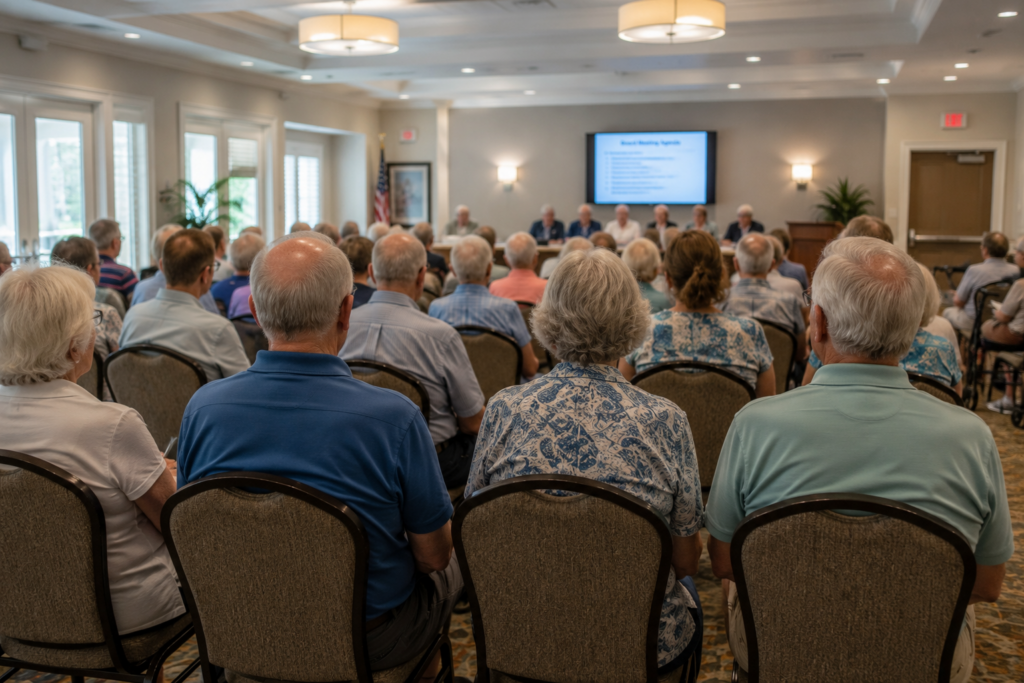
A recent story out of Florida has generated national headlines and reignited one of the internet's favorite debates: Why do homeowners associations exist?
According to published reports, a 28-year-old woman inherited her late father's home in a Jacksonville-area 55-and-over community. She claims that after his death, the homeowners association informed her that she could no longer reside in the home because she did not meet the community's age requirements. The story gained even more attention when reports surfaced that the association approved a special assessment to fund the anticipated legal costs of enforcing its governing documents.
The public reaction was immediate. Social media was filled with comments calling the HOA heartless, questioning why homeowners associations are even legal, and insisting that the board should simply make an exception. Many readers viewed the dispute through a simple lens: a young woman lost her father and now risks losing her home.
That reaction is understandable.
At the same time, stories like this often present only a fraction of the legal and practical issues that boards face. We do not know what legal advice this board received. We do not know whether the community's governing documents contain hardship provisions, occupancy exceptions, or other language that could affect the outcome. We also do not know whether the board considered alternatives before deciding to pursue enforcement.
What we do know is that this story provides a useful opportunity to discuss several misconceptions about homeowners associations and why these situations are often more complicated than they first appear.
When stories like this make the news, people immediately wonder why we even have HOAs?
The reality is that most associations spend very little time policing paint colors or measuring grass. Instead, they function much like a small local government. Boards adopt budgets, collect assessments, hire vendors, maintain common property, obtain insurance, negotiate contracts, and make decisions affecting hundreds, and sometimes thousands, of residents.
Many people are surprised to learn that local governments often require associations as a condition of approving new residential developments. Rather than asking taxpayers to maintain neighborhood roads, stormwater systems, retention ponds, parks, clubhouses, pools, gates, landscaping, and other common facilities, municipalities shift those responsibilities to the homeowners who live in the community. Without an association, there would often be no entity responsible for maintaining these shared assets.
That does not mean every board makes the right decisions. Like any governing body, boards can make mistakes. But understanding why associations exist provides important context before evaluating the actions of any particular board.
The easiest question to ask after reading this story is, "Why doesn't the board just make an exception?" But, truthfully, the answer may not be that simple.
If the community is operating as a lawful 55-and-over community under the federal Housing for Older Persons Act, the age restrictions are not simply suggestions. They are legal occupancy requirements reflected in the governing documents. Whether those restrictions apply in this particular situation will depend on facts that have not been made public, including the declaration, any purchase addenda, possible hardship provisions, and the advice the board has received from its legal counsel.
Just as importantly, board members have a fiduciary duty to treat owners consistently. Choosing not to enforce a covenant in one situation can create claims of selective enforcement or waiver when the next owner asks for similar treatment. In some cases, what appears to be a compassionate exception today can become a legal problem tomorrow.
Like we see with many of our clients, boards are often balancing legal obligations, business considerations, and human circumstances at the same time.
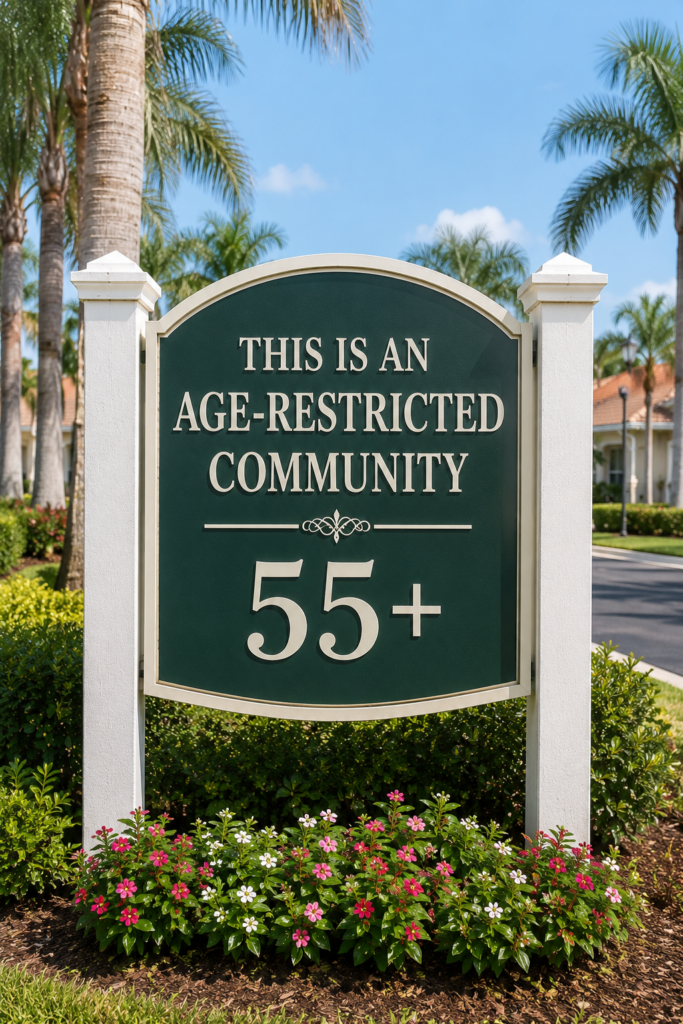
Perhaps the most controversial aspect of the story is not the enforcement itself, but the reported decision to levy a special assessment to fund anticipated litigation. According to the reports, the assessment could total approximately $155,000, with each owner contributing roughly $1,000 toward the legal effort.
That naturally raises another question. Even if the board has the legal authority to enforce the age restriction, is litigation the best business decision?
Good boards should always evaluate whether there is a practical solution before filing a lawsuit. Could a temporary occupancy agreement have been negotiated? Was there a hardship provision worth exploring? Could additional time have been provided to allow for an orderly transition? Were there other alternatives that would have protected both the governing documents and the community's financial interests? There's no way to know from the headlines and stories published in national media.
The public rarely sees the legal opinions, executive session discussions, settlement negotiations, or other facts that shape a board's decision. That often leads to negative feelings towards community associations as a whole.
In our experience, most boards are made up of volunteer neighbors who are trying to fulfill their fiduciary duties while balancing competing legal obligations and the interests of their communities. Sometimes they make the right decision. Sometimes they do not. But those decisions are often far more complicated than they appear in a headline or a sixty-second social media video.
Whether this particular association made the right call is something the courts, or perhaps the parties themselves, may ultimately decide. Until then, the story serves as a reminder that community association law rarely offers easy answers.
If your board is facing a difficult enforcement decision, or if you are a homeowner trying to understand your rights under your community's governing documents, consulting with an experienced Orlando HOA lawyer, Orlando condominium lawyer, or Florida real estate lawyer can help ensure decisions are guided by the law, not just public opinion.